Enhancing Design and Communication with the Telephone Icon
In today's fast-paced digital world, effective communication and visually appealing design are more critical than ever. The Telephone Icon is a versatile and meticulously designed glyph that has become an essential tool for professionals, creators, entrepreneurs, marketers, freelancers, and enthusiasts alike. This icon, perfect for use in designing and developing websites, printed materials, presentations, promotional materials, illustrations, infographics, or any type of design projects, offers a seamless blend of form and function.
Understanding the Telephone Icon
The Telephone Icon is a simple yet powerful visual element that represents the concept of communication. It is often used to symbolize phone calls, contact information, and customer support. The icon's clean and modern design makes it easily recognizable and highly adaptable to various design contexts. Whether you're working on a website, a mobile app, or a print brochure, the Telephone Icon can help convey the message of accessibility and connectivity.
The Relevance of the Telephone Icon in Modern Design
The Telephone Icon fits seamlessly into the broader landscape of design and communication trends. As businesses and individuals increasingly rely on digital platforms to connect with their audiences, the need for clear and intuitive visual cues has never been more important. The Telephone Icon serves as a universal symbol that transcends language barriers, making it an ideal choice for global brands and international projects.
Why People Are Paying Attention to the Telephone Icon
Several factors contribute to the growing popularity of the Telephone Icon:
- Instant Recognition: The icon's familiar shape and design make it instantly recognizable, ensuring that users can quickly understand its purpose.
- Versatility: The Telephone Icon can be used in a wide range of applications, from web design to print media, making it a valuable asset for designers and marketers.
- Professionalism: A well-designed Telephone Icon adds a touch of professionalism to any project, enhancing the overall quality and credibility of the content.
Changing Needs and Preferences in Design
The evolving needs and preferences of consumers and businesses have made the Telephone Icon more relevant than ever. With the rise of mobile-first design and the increasing importance of user experience (UX), icons like the Telephone Icon play a crucial role in guiding users through digital interfaces. Additionally, the shift towards more minimalist and functional design aesthetics has further highlighted the importance of clear and concise visual elements.
Practical Examples and Observations
Here are some practical examples of how the Telephone Icon can be used effectively:
- Website Contact Pages: Placing the Telephone Icon next to a phone number on a contact page can make it easier for visitors to find and use the information.
- Mobile Apps: In mobile applications, the Telephone Icon can be used to indicate a call-to-action, such as "Call Now" or "Contact Support."
- Printed Materials: Business cards, brochures, and flyers can benefit from the inclusion of the Telephone Icon to direct recipients to the appropriate contact information.
- Promotional Materials: In advertising and marketing campaigns, the Telephone Icon can be used to emphasize the availability of customer support or to encourage immediate action.
Connecting to Larger Developments
The Telephone Icon is not just a standalone design element; it is part of a larger trend towards more user-centric and visually driven communication. As technology continues to evolve, the way we interact with digital content is changing, and the Telephone Icon is at the forefront of this transformation. By providing a clear and consistent visual cue, the Telephone Icon helps to bridge the gap between the digital and physical worlds, making it an indispensable tool for modern designers and communicators.
Files Included for Versatile Use
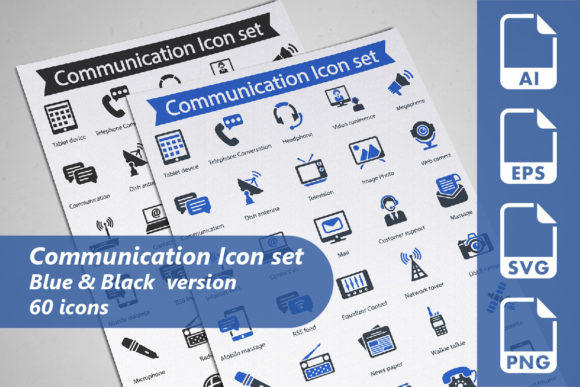
To ensure maximum flexibility and usability, the Telephone Icon comes with a variety of file formats:
- EPS File: Ideal for vector-based designs, allowing for easy scaling without loss of quality.
- SVG File: Perfect for web use, providing crisp and scalable graphics across different devices and screen sizes.
- AI File: Compatible with Adobe Illustrator, offering advanced editing capabilities for professional designers.
- PNG File: Suitable for raster-based designs, providing high-quality images with transparency support.
These file formats cater to a wide range of design and development needs, making the Telephone Icon a versatile and indispensable resource for any creative project.
Conclusion
The Telephone Icon is a beautifully designed and highly functional element that enhances both the aesthetic and practical aspects of design and communication. Its versatility, instant recognition, and professional appeal make it a valuable tool for professionals, creators, and businesses across various industries. By incorporating the Telephone Icon into your projects, you can improve user experience, enhance visual appeal, and stay ahead of the curve in the ever-evolving world of design and technology.