Understanding the Versatility and Design of RSS Feed Icon
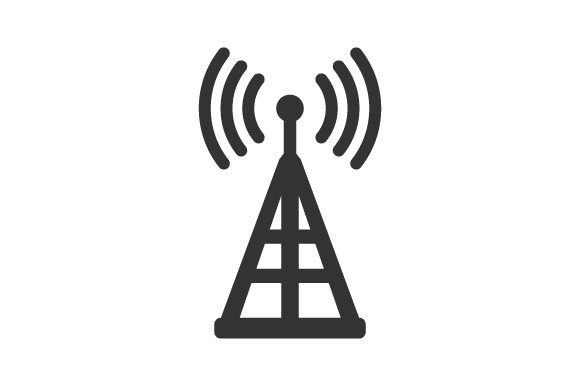
The RSS Feed Icon is a widely recognized symbol in the digital world, used to indicate the presence of an RSS (Really Simple Syndication) feed. This icon typically features a stylized wave or signal, often with a dot or circle, and is designed to be easily identifiable and visually appealing. The RSS Feed Icon serves as a quick and intuitive way for users to locate and subscribe to content updates from websites, blogs, and other online platforms.
What Makes the RSS Feed Icon Distinct?
The RSS Feed Icon stands out due to its simplicity and universal recognition. Its design is both minimalist and functional, making it easy to integrate into various design projects without overwhelming the overall aesthetic. The icon's clean lines and clear symbolism make it a go-to choice for designers and developers looking to enhance user experience and functionality.
Comparing RSS Feed Icon with Other Icons and Symbols
When comparing the RSS Feed Icon with other icons and symbols, it's important to consider the context and intended use. For instance, while the RSS Feed Icon is specifically designed for indicating RSS feeds, other icons like social media logos or email icons serve different purposes. The RSS Feed Icon is particularly useful for sites that frequently update content and want to offer a streamlined way for users to stay informed.
- Functionality: The RSS Feed Icon is uniquely tailored for RSS feed identification, whereas other icons may not have this specific function.
- Recognition: The RSS Feed Icon is widely recognized, making it an effective tool for quick communication.
- Versatility: It can be adapted to various design styles and formats, from web to print, without losing its clarity and impact.
Strengths and Tradeoffs of Using the RSS Feed Icon
One of the key strengths of the RSS Feed Icon is its ability to enhance user engagement by providing a straightforward way to access regular updates. This can be particularly beneficial for news sites, blogs, and content-heavy platforms. However, it's important to note that not all users are familiar with RSS technology, which can limit its effectiveness if your audience is less tech-savvy.
Additionally, while the RSS Feed Icon is highly recognizable, it may not be as visually dynamic as some other icons. This can be a tradeoff when considering the overall visual appeal of a design. However, its simplicity often works in its favor, especially in contexts where a clean and uncluttered interface is preferred.
Best-Fit Situations and Limitations
The RSS Feed Icon is best suited for websites and applications that rely on frequent content updates and have an audience that values staying up-to-date with minimal effort. It is particularly effective for:
- Blogs and news sites that publish regular articles and updates.
- E-commerce platforms that need to inform customers about new products or promotions.
- Corporate websites that share industry news and company updates.
However, the RSS Feed Icon may not be the ideal choice for every situation. For example, if your target audience is not familiar with RSS technology, or if your content does not require frequent updates, alternative methods such as email newsletters or social media notifications might be more effective.
Practical Examples and Use Cases
A practical example of using the RSS Feed Icon effectively is on a news website. By placing the RSS Feed Icon prominently, the site can encourage readers to subscribe to their feed, ensuring they receive the latest articles directly. This not only enhances user engagement but also helps in building a loyal readership.
Another use case is in corporate communications. A company might use the RSS Feed Icon on their investor relations page to provide real-time updates on financial reports, press releases, and other important information. This ensures that stakeholders can stay informed without having to constantly visit the website.
Decision Factors for Choosing the Right Icon
When deciding whether the RSS Feed Icon is the right choice for your project, consider the following factors:
- Audience Familiarity: Is your audience likelyant with RSS technology, or would they benefit more from other notification methods?
- Content Frequency: Does your content require frequent updates, or is it more static?
- Design Aesthetic: Does the simplicity of the RSS Feed Icon align with your overall design style?
- User Experience: Will the RSS Feed Icon enhance or complicate the user experience on your platform?
By carefully evaluating these factors, you can determine whether the RSS Feed Icon is the most suitable option for your specific needs and audience.
In conclusion, the RSS Feed Icon is a versatile and effective tool for enhancing user engagement and providing a seamless way to access regular updates. While it may not be the perfect solution for every scenario, its widespread recognition and simplicity make it a valuable asset in many design and development projects.